


Introduction
In today’s fast-paced digital landscape, the ability to quickly visualize, communicate, and iterate on system designs is no longer a luxury—it’s a necessity. Traditional diagramming tools often require significant manual effort, steep learning curves, and disjointed workflows that interrupt creative momentum. Enter the next generation of visual modeling: an AI-powered chatbot that transforms simple text prompts into professional, presentation-ready diagrams in seconds.
This case study explores how Visual Paradigm’s AI-driven visual modeling platform is redefining the way architects, developers, and business strategists bring ideas to life—bridging the gap between abstract concepts and actionable visual blueprints with unprecedented speed and intelligence.
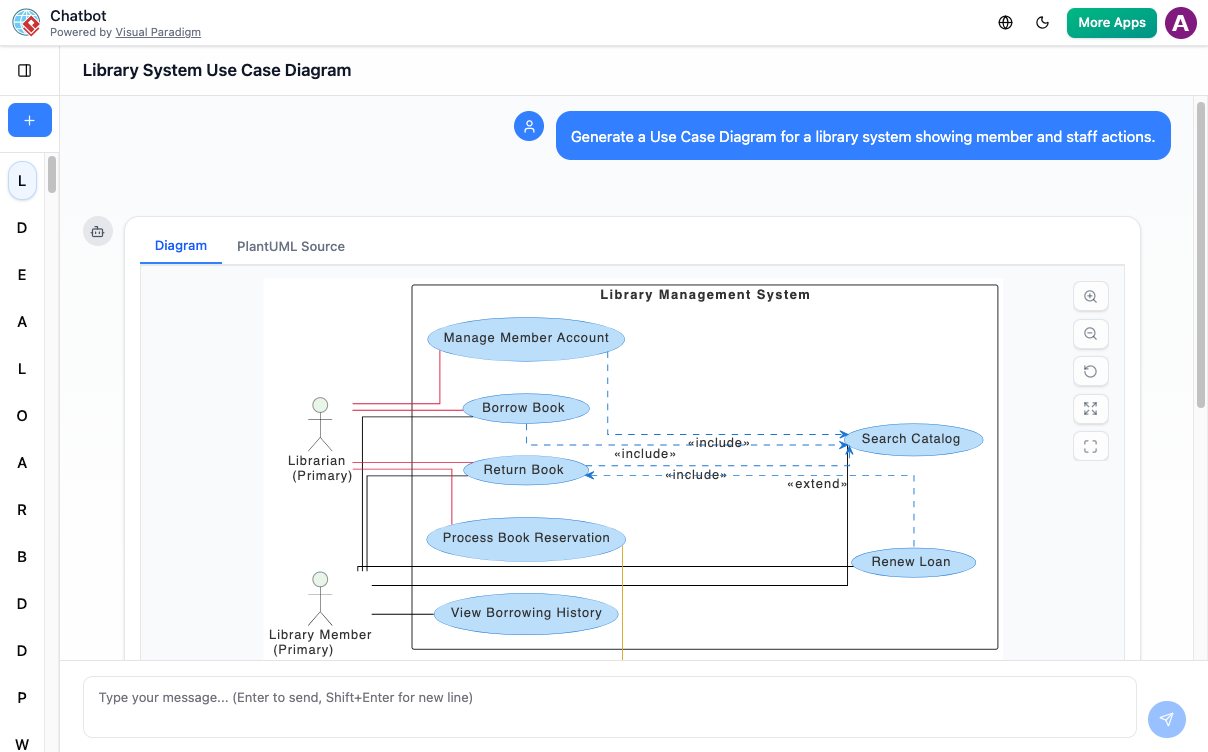
Your Creative Co-Pilot for Visuals: Core Capabilities
From the first spark of an idea to the final presentation, AI acts as a collaborative partner throughout the visual modeling journey. The platform supercharges workflows through six intelligent capabilities:
Instant Diagram Generation
Staring at a blank canvas? Just describe your idea in plain text. Watch as the AI architect maps out a detailed, accurate diagram in seconds—no templates or manual drawing required.
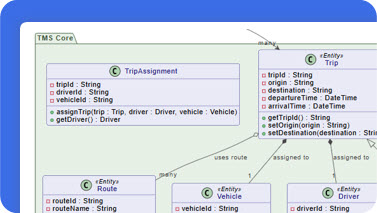
Edit with Simple Commands
Think of it as a conversation with your canvas. Simply tell the AI, “Add a database,” or “Rename User to Customer,” and consider it done. Natural language commands enable real-time refinement without navigating complex menus.
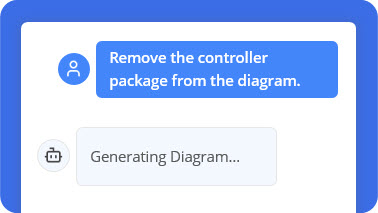
Ask Your Diagram Anything
Go beyond the visuals. Your diagram becomes an interactive knowledge base. Ask how to implement a deployment strategy, or request the main scenarios in a use case—the AI provides contextual, actionable insights.
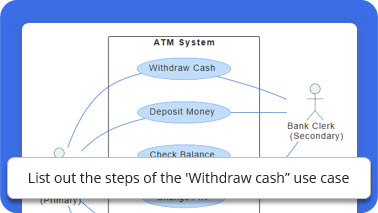
Never Lose Your Train of Thought
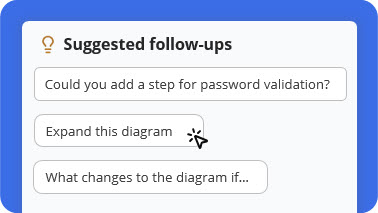
Unsure what to explore next? The AI provides smart, contextual suggestions to help you delve deeper, refine your design, or uncover new insights—keeping your creative momentum uninterrupted.
Documentation on Demand Generation
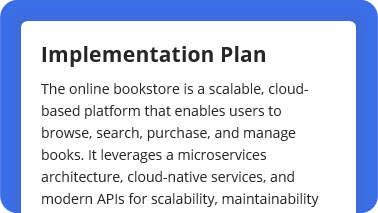
Turn any diagram into professional documentation instantly. Request a detailed technical report, an executive summary, or a project proposal based on your visual model—automating a traditionally time-consuming task.
From AI to Pro Tool Generation
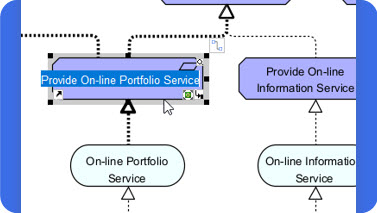
Happy with the AI-generated design? Seamlessly export your diagram to the Visual Paradigm desktop app for advanced modeling, version control, and team collaboration—ensuring a smooth transition from concept to production.
How It Works: From Idea to Intelligent Diagram in Four Steps
The platform democratizes visual modeling through an intuitive, four-step workflow:
Step 1: Describe Your Idea
Start by typing what you want to create—for example, “Create a use case diagram for an online shopping system.” The AI instantly understands your intent and begins visualizing your concept.
Step 2: Generate Your Diagram Instantly
In seconds, your text becomes a complete, presentation-ready diagram. No templates or manual drawing required—just clear, accurate visuals that adhere to industry standards.
Step 3: Refine with Simple Commands
Need changes? Talk to your diagram naturally. Type commands like “Add payment gateway” or “Rename Customer to Buyer.” The AI updates your diagram immediately, preserving structural integrity.
Step 4: Explore, Document, and Share
Ask questions like “What are the main use cases?” or “Generate a project summary.” Export your work or continue refining in the Visual Paradigm desktop app for advanced collaboration and stakeholder alignment.
Unmatched AI Diagramming Support Across Domains
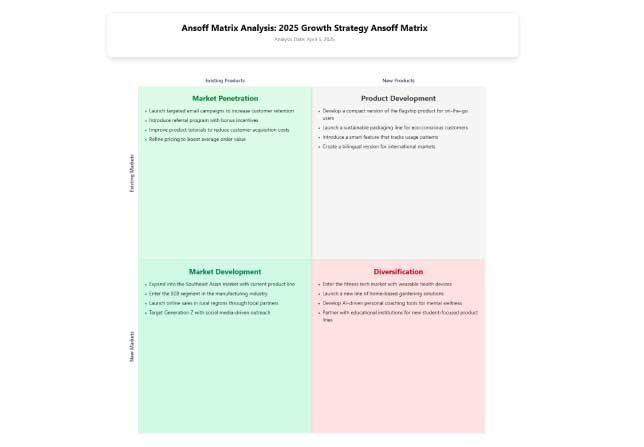
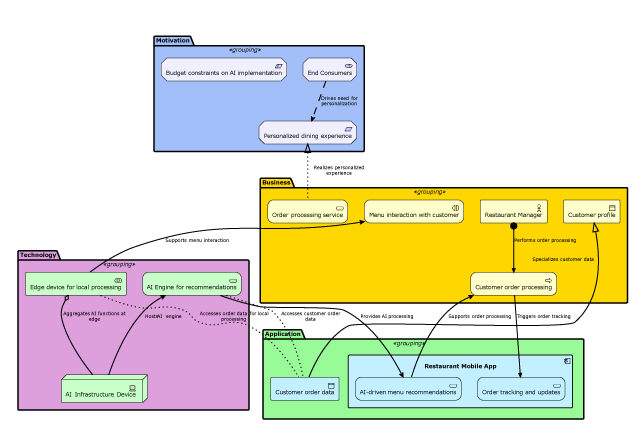
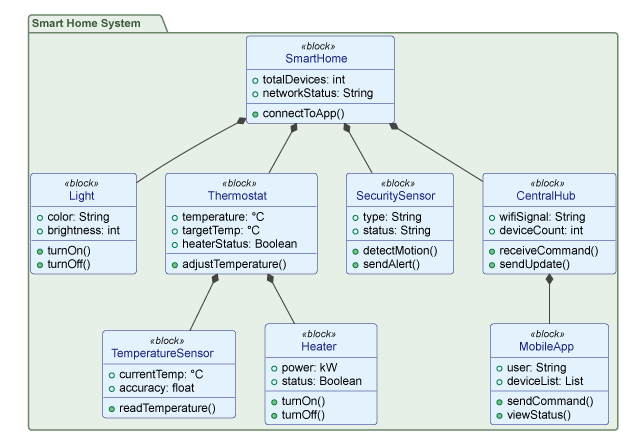
From software engineering to business strategy, the AI covers a comprehensive suite of standards to bring diverse ideas to life. Supported diagram types include:
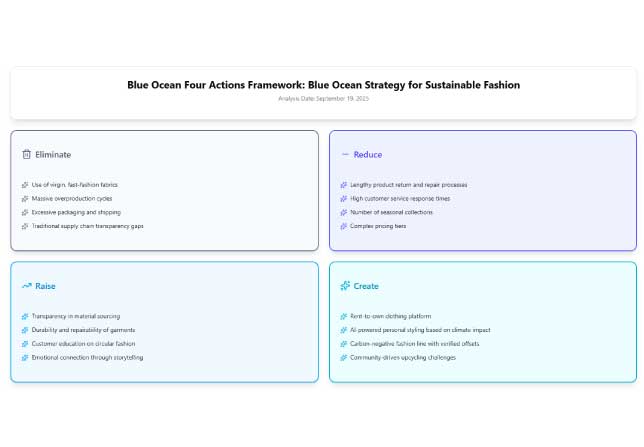
Blue Ocean Four Actions Framework
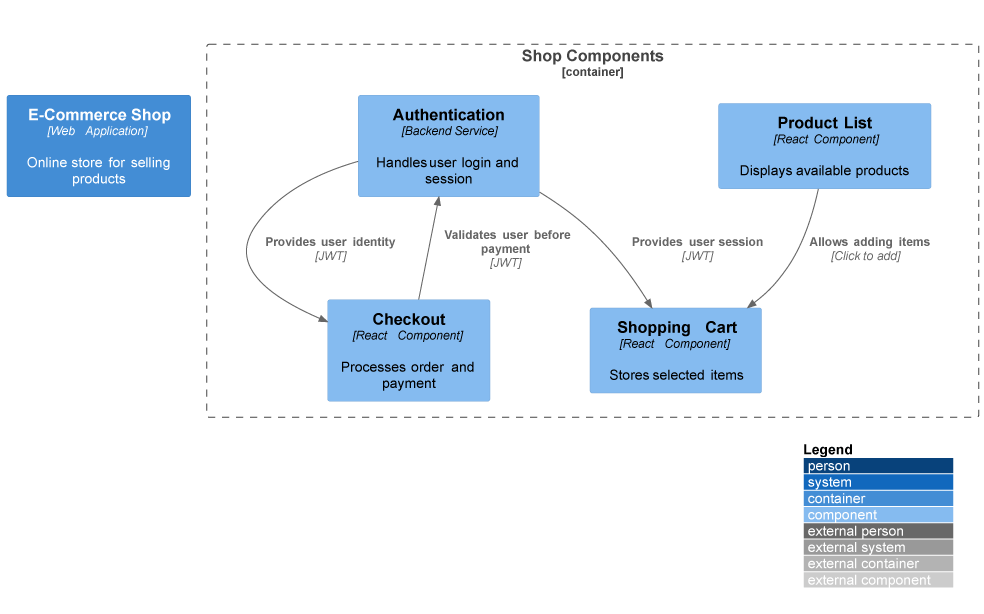
Deep Dive: The C4 Model for Software Architecture
What is the C4 Model?
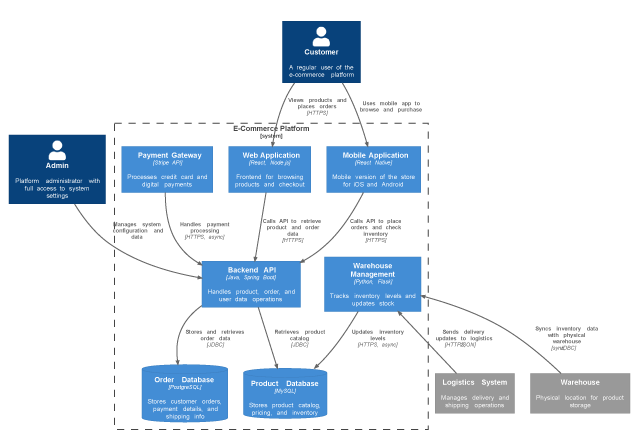
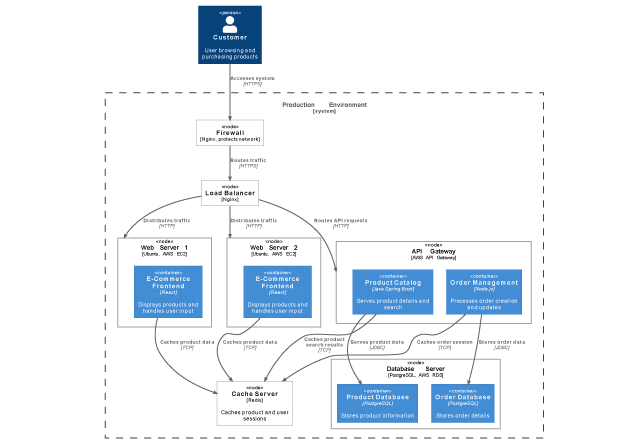
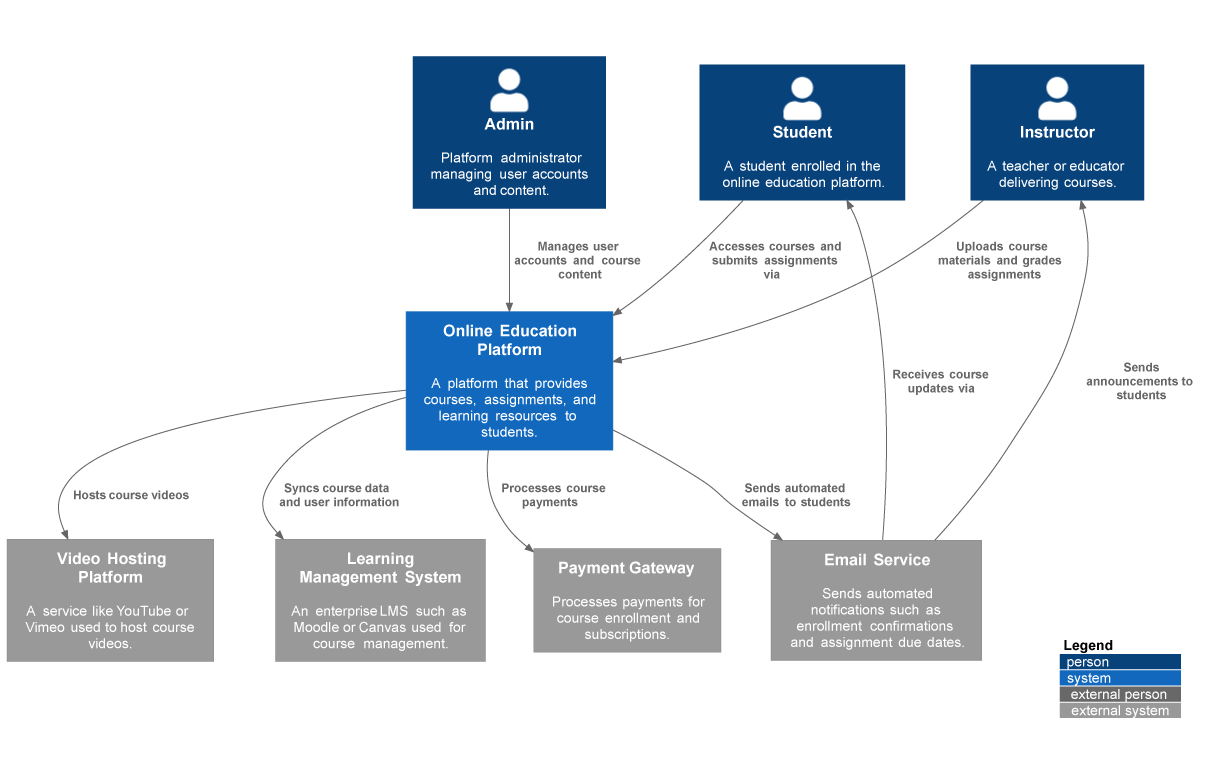
The C4 Model is a software architecture model that provides a simple, scalable, and flexible way to describe and visualize software systems. Developed by Simon Brown, the C4 model is designed to help software architects and developers communicate the structure of their systems in a clear, concise, and accessible way.

The C4 model consists of four hierarchical levels:
-
Context: Describes the overall context in which the system operates, including stakeholders, their goals, the environment, and high-level system boundaries.
-
Container: Describes the individual components of the system and how they interact with each other (e.g., web applications, mobile apps, databases).
-
Component: Describes the individual components in more detail, including their responsibilities, interfaces, and dependencies.
-
Code: Provides a detailed view of the code that implements the individual components (often generated from source code analysis).
When to Use the C4 Model
The C4 model is designed to be used in any software development project where there is a need to communicate the architecture of a system in a clear and accessible way.
It is particularly valuable when teams need to:
-
Communicate system architecture to diverse stakeholders and team members
-
Ensure architectural alignment with business goals and technical requirements
-
Facilitate a shared understanding of system structure across distributed teams
-
Provide a foundation for architecture-centric development practices and design patterns
-
Help stakeholders grasp the overall system structure and component relationships
Visual Paradigm Online’s C4 Model Maker
Visual Paradigm Online is a cloud-based platform that empowers users to create and collaborate on C4 model diagrams and other software architecture visuals. It supports the entire software development lifecycle—from requirements gathering and analysis to design and implementation.
With Visual Paradigm Online, users can effortlessly create comprehensive C4 model diagrams, including context diagrams, container diagrams, component diagrams, and code-level views. The platform features robust collaboration tools such as version control, real-time co-editing, and contextual commenting.
Visual Paradigm Online also provides an extensive library of templates, examples, and C4-specific symbols to accelerate diagram creation. Diagrams can be exported to multiple formats—including PDF, PNG, and JPG—enabling seamless sharing with stakeholders and integration into documentation workflows.
Conclusion
The convergence of artificial intelligence and visual modeling represents a paradigm shift in how teams conceptualize, design, and communicate complex systems. By transforming natural language prompts into precise, standards-compliant diagrams, Visual Paradigm’s AI-powered chatbot eliminates traditional barriers to effective visual communication. Whether you’re a software architect mapping microservices, a business strategist plotting growth frameworks, or a developer documenting system components, this intelligent co-pilot accelerates clarity, enhances collaboration, and preserves creative flow.
The integration of the C4 model further strengthens the platform’s value proposition for software teams, providing a structured yet flexible approach to architecture visualization that scales from high-level context to implementation details. As organizations increasingly demand agility without sacrificing rigor, AI-driven visual modeling emerges not just as a productivity tool, but as a strategic enabler for innovation, alignment, and execution. The future of system design is conversational, contextual, and instantly visual—and it’s available today.
Reference
- AI Toolbox Visual Modeling Chatbot: Interactive AI-powered chatbot application for generating and refining diagrams from text prompts.
- Ansoff Matrix Diagram Guide: AI-assisted creation of Ansoff Matrix diagrams for strategic growth planning and market analysis.
- ArchiMate Diagram Guide: Generate enterprise architecture diagrams using the ArchiMate modeling language with AI support.
- Block Definition Diagram Guide: Create SysML Block Definition Diagrams for systems engineering and model-based design.
- Blue Ocean Four Actions Framework Guide: Visualize innovation strategy frameworks using AI-powered diagram generation.
- C4 Component Diagram Guide: Generate detailed component-level views of software architecture using the C4 model.
- C4 Container Diagram Guide: Create container-level architecture diagrams showing application boundaries and interactions.
- C4 Deployment Diagram Guide: Visualize infrastructure and deployment topology using C4 model conventions.
- C4 Model Tool Features: Comprehensive overview of C4 modeling capabilities within Visual Paradigm Online.
- Simon Brown’s Website: Official resource from the creator of the C4 model, featuring methodology guides and best practices.
- Visual Paradigm Online Platform: Cloud-based diagramming and modeling platform supporting C4, UML, ArchiMate, and business frameworks.